
⚡ Special Report: Klickitat County’s Solar & Battery Storage Ordinance
A major BESS and solar ordinance is nearing a vote in Klickitat County. Supporters see grid reliability and renewable-energy benefits; neighbors and tribes are raising safety, farmland, and scenic-area concerns. Here’s what’s at stake, and why Skamania should watch too.
For both residents of both Klickitat and Skamania County, this emerging Battery Energy Storage System ordinance in Klickitat is worth keeping an eye on. This special report will give you an introduction to what's on the table.
When one Gorge county adopts strong or weak standards, projects and developers tend to shift regionally. And because Washington allows major energy projects to bypass local rules through the EFSEC (Energy Facility Site Evaluation Council) process, both counties benefit from having clear, well-designed local standards. So, let's get into it!
tl;dr: Klickitat is writing the first Gorge-side playbook on how rural counties here may handle utility-scale battery storage. Skamania may face similar proposals in the next few years.
🔋 What Is a BESS? A Quick Guide for Neighbors
A Battery Energy Storage System (BESS) stores excess renewable energy, mainly solar and wind, and releases it back to the grid when demand is high. Think of it as a giant, industrial-scale rechargeable battery. They can help:
- prevent blackouts,
- balance the electric grid,
- support clean-energy expansion, and
- store energy for use during evenings or extreme weather.
They’re widely used in the Southwest, California, Texas, and increasingly throughout the Pacific Northwest.
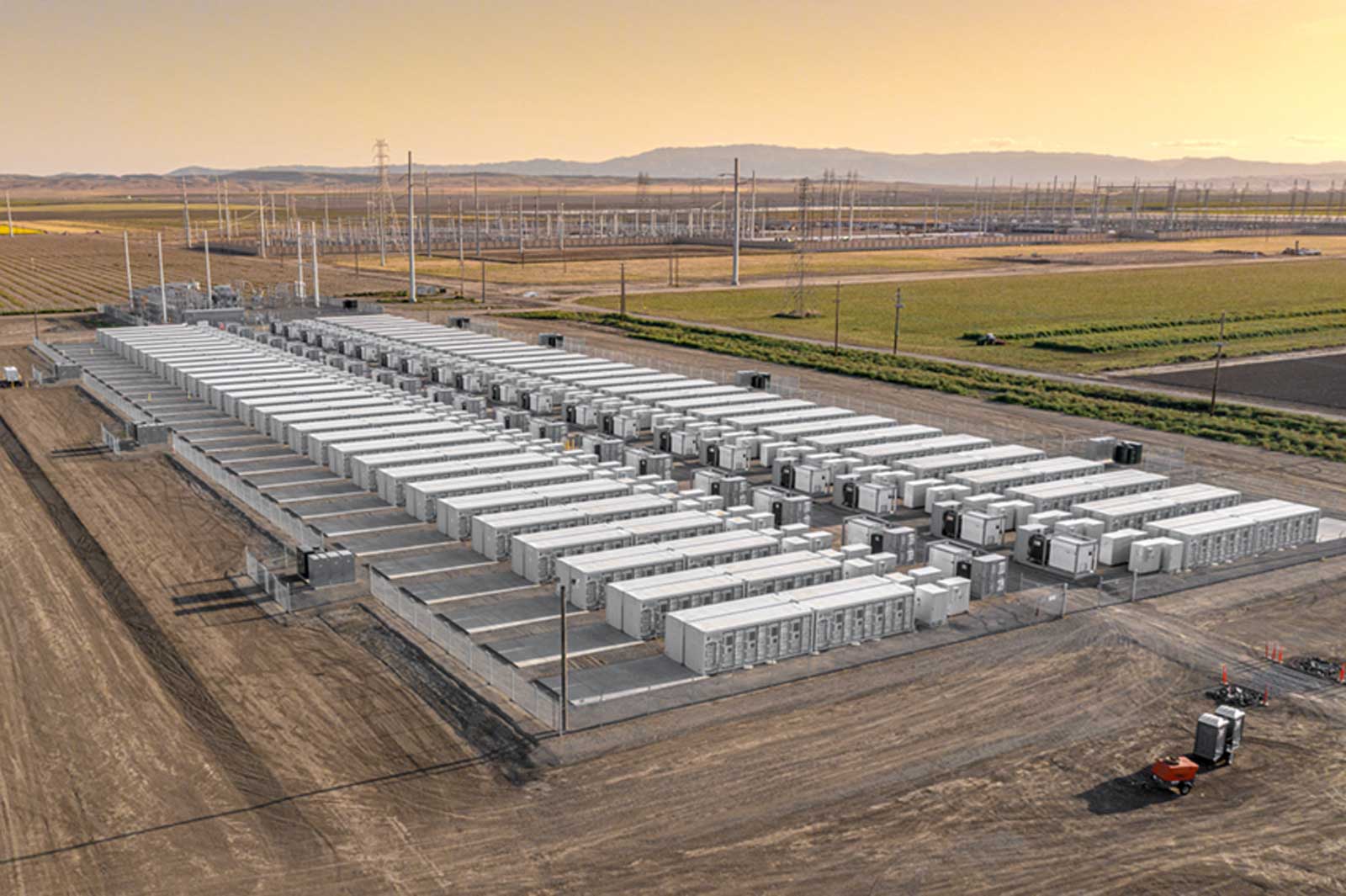
⚠️ Why Are These Projects Debated?
⚡ Benefits to Consider:
Klickitat county sits on major BPA transmission corridors, making it one of the most cost-efficient places in the region to connect large-scale energy projects. BESS facilities help utilities store excess solar power during the day and release it in the evening when demand spikes, improving overall grid stability.
For local communities, a well-designed BESS can:
- Strengthen grid reliability during windstorms, fires, heat waves, and outages
- Improve emergency resilience by stabilizing voltage and reducing blackouts
- Reduce dependence on gas “peaker plants” by shifting renewable energy into peak-use hours
- Support future industrial loads without new fossil-fuel generation
- Generate tax revenue through property taxes, impact fees, or negotiated benefit agreements
- Create short-term construction jobs and ongoing maintenance work
But the benefits depend heavily on how the county regulates siting, safety, environmental impacts, public engagement, and fiscal agreements. This is why the new Solar & BESS ordinance has become such a focal point of local debate.
⚡ Carefully Assessing Risks:
Across the country, communities are also asking questions about:
- Safety
- Lithium-ion systems are generally safe, but can fail in rare cases through “thermal runaway” fires, which require special firefighting equipment and hazmat protocols.
- Farmland & Rural Character
- Some communities express concerns about loss of agricultural land, visual impacts, fencing, glare, and large construction footprints.
- Local Control vs. State Preemption
- In Washington, if a local ordinance is too strict, or doesn’t exist, developers can bypass counties via EFSEC, the state’s siting authority. Counties want rules strong enough to protect neighbors, but not so restrictive that they lose jurisdiction entirely.
- Environmental & Scenic Impacts
- Impacts to wildlife, soil, dust, stormwater, and the Gorge’s scenic viewshed.
🏜 What Klickitat County Is Proposing
Klickitat placed a temporary moratorium on battery storage projects in 2024 and formed a 22-member Project Advisory Committee (PAC) in early 2025 to create a full ordinance. The draft ordinance includes:
Required setbacks and buffers
Including debated distances between facilities and homes.
A mandatory neighborhood meeting before an application is submitted
This is intended to create early transparency and accountability.
Nine required technical reports, including:
- fiscal impact analysis
- fire-safety plan
- visual impact analysis
- agricultural mitigation plan
- community involvement report
- dual-use/agrivoltaics evaluation
- decommissioning and recycling plan
Screening, lighting, and landscaping standards
To reduce visual impact and improve safety.
Noise, stormwater, and vegetation rules
Including limitations on combustible materials around battery units.
Amending the Energy Overlay Zone
Solar projects would no longer be allowed “by right” and must undergo a conditional-use permit process with more detailed review.
Environmental review through SEPA
The draft SEPA questionnaire will be updated following public comment and Planning Commission deliberations.
🧭 Where the Debate Stands Now
The Planning Commission is in the final stage of deliberations. Public testimony is closed, but written comments are still read. Themes emerging from recent hearings (as conveyed in the Staff Report):
- Residents & Tribes - strong support for safety, scenic protection, agricultural preservation, and early public involvement.
- Developers (solar, battery, hydrogen) - concern that the ordinance may be more restrictive than surrounding counties, incentivizing developers to apply through EFSEC instead of local permitting.
- County departments - Emergency Management emphasized safety protocols, and Economic Development commented on fiscal reporting.
📄 What Happened at the Sept. 15 Planning Commission Hearing?
(Documented by Documenters.org - CC-BY-4.0)
At this key hearing, Planning Commissioners and staff walked through the Draft Industrial-Scale Solar & BESS Ordinance section-by-section, focusing on:
1. Applicability & Zoning
- Clarifying that all utility-scale BESS (standalone or paired with solar) would require a Conditional Use Permit.
- Confirming that solar is allowed only in General Rural, Open Space, Extensive Agriculture, and Rural Residential-2, and prohibited in the Gorge National Scenic Area viewshed.
2. Setbacks & Separation
- Ongoing debate about the 5,280-foot (1-mile) visual setback from any residential property.
- Commissioners revisited minimum 100-ft property-line setbacks, fire-protection buffers, and vegetation-clearance rules.
3. Fire & Safety Requirements
- Discussion of the Safety Feasibility Assessment Report:
- thermal-runaway risk planning
- emergency-access standards
- radio-interference mitigation
- detailed Emergency Operations Plan
- First-responder training responsibilities were emphasized.
4. Agriculture & Agrivoltaics
- Commissioners reviewed requirements for:
- Agricultural Land Mitigation Reports
- dual-use grazing/crop production
- soil protection and water-management standards
- limits on impervious surface area (20% cap)
5. Visual Impacts
- Visual-impact modeling, screening, landscaping plans, and “before/after” simulations were covered.
- Particular attention was given to protecting travel corridors and rural character.
6. Fiscal & Economic Reporting
- The Commission reviewed requirements for the Fiscal Analysis Report, including:
- job creation
- impacts on county services
- tax revenue projections
- real-estate impact studies
- community benefit agreements
7. Community Engagement
- Residents and tribes must be notified early.
- Projects require at least one pre-application neighborhood meeting with a county planner present.
- Developers must submit a Community Engagement Results Report explaining how they addressed concerns.
8. Developer Comments
- Industry representatives raised concerns about:
- the one-mile setback
- numerous required reports
- agrivoltaic feasibility
- potential for projects to route through EFSEC instead of local permitting if the ordinance becomes too strict.
🗳 How to Participate
Next Meeting:
Planning Commission - Monday, Nov. 17, 6:00 PM
Klickitat County Services Building (Room 200), Goldendale
Zoom: Meeting ID 857 8237 2047 | Passcode 152082
Public comment is closed for this hearing, but written comments may still be submitted:
📬 planning@klickitatcounty.org
📬 bocc@klickitatcounty.org
🌄 Why Skamania Should Watch Too
- Skamania shares the same BPA transmission corridors that attract large-scale energy projects.
- BESS facilities can be built without large solar farms, making steep or fragmented terrain, or the minimal amount of buildable land across the county in general, less of a barrier.
- EFSEC preemption applies equally in Skamania, meaning state-approved energy projects can bypass local zoning.
- Skamania will begin its own GMA update soon, including potential energy-facility considerations.
- Fire districts, planners, and the public benefit from advance awareness of BESS safety, training, and land-use implications.
- Developers often “county-shop” based on which county has clearer or more permissive ordinances.
What Klickitat decides today may shape what Skamania encounters tomorrow. We hope this has helped catch you up on what BESS is, and what that may mean for Gorge Residents in the years to come.