
🍎 The Town That Was: Remembering the Underwood Fire 80 Years Later
Before the highway, the Underwood riverfront was a bustling village and agricultural hub. Here is the story of the "Sunday conflagration" in 1946, 80 years ago today, that changed everything.
Enjoy the audio edition on Buzzsprout, or look for "Open Gorge" wherever you get your podcasts.
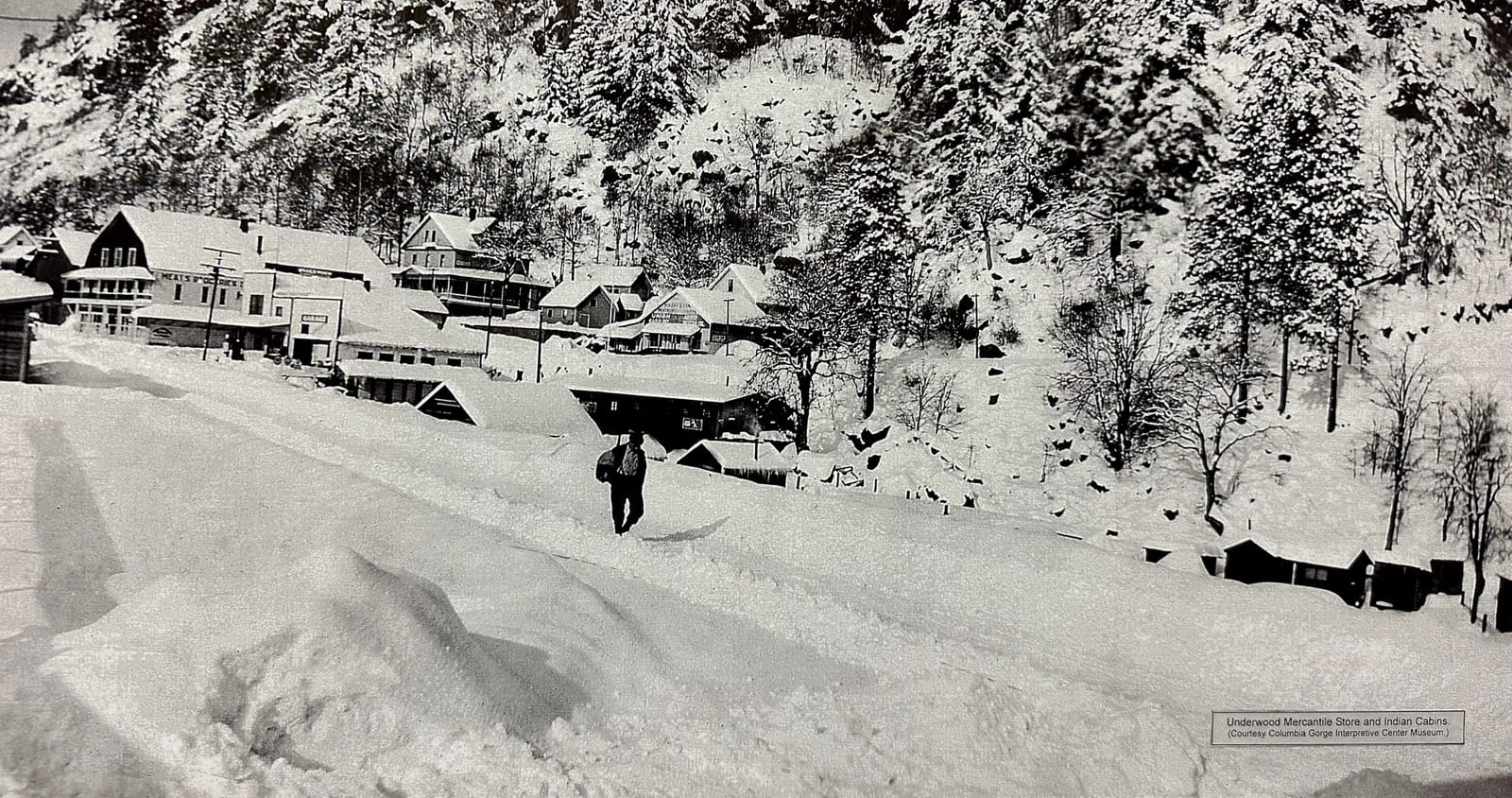
If you drive along Highway 14 today and pull off at the Underwood intersection, you’ll find a wide stretch of asphalt, a few parked cars, and the turnoff to Cook-Underwood Rd heading up the hill. But 80 years ago today, you would have been standing in the middle of a bustling riverside village... with a trickle of smoke creeping over its rooftops.
Today marks exactly eight decades since May 5, 1946 - the day "Old Underwood" burned to the ground.
Most of us living in the Gorge today know Underwood as a dispersed residential community perched on the heights. But the original town center sat right down by the Columbia River. In the 1920s and 30s, it was a hub of local commerce, anchored by the grand, three-story 1905 Underwood Hotel. It was a vibrant little town block. And in a matter of hours, it was entirely wiped out.
To understand the loss, you have to understand the sheer ambition of the town that burned.
Roots on the River
It’s important to remember that this stretch of the river's history doesn't begin with pioneer settlement. For thousands of years before any survey stakes were driven into the ground, this landscape was—and still is—a vital crossing, gathering place, and home for the Indigenous peoples of the Gorge.
The modern footprint of the town began to take shape in the late 1850s when a young pioneer named Amos Underwood arrived. He settled near the mouth of the White Salmon River and married Taswatha (often called "Ellen"), the daughter of local Cascade Chief We-la-wa, also referred to in many records as Chief Chenoweth or Chenowith. Together, they staked a claim, and Amos established a boat landing that would eventually bear his name. By the turn of the century, this small river landing had blossomed into a crucial transportation and shipping bottleneck for the entire region. But just steps away, the area around the mouth of the White Salmon remains a vital place for the Yakama, Warm Springs, Umatilla, and Nez Perce tribes, anchored today by the Treaty Fishing Access Site that guarantees the continuation of ancient fishing traditions.
"The Most Famous Fruit Belt in the World"
If you want to understand the culture and expectations of Old Underwood, look no further than the agricultural publications of the early 1900s. The town wasn't just surviving; it was fiercely marketing itself as "The Gateway to the White Salmon Valley."
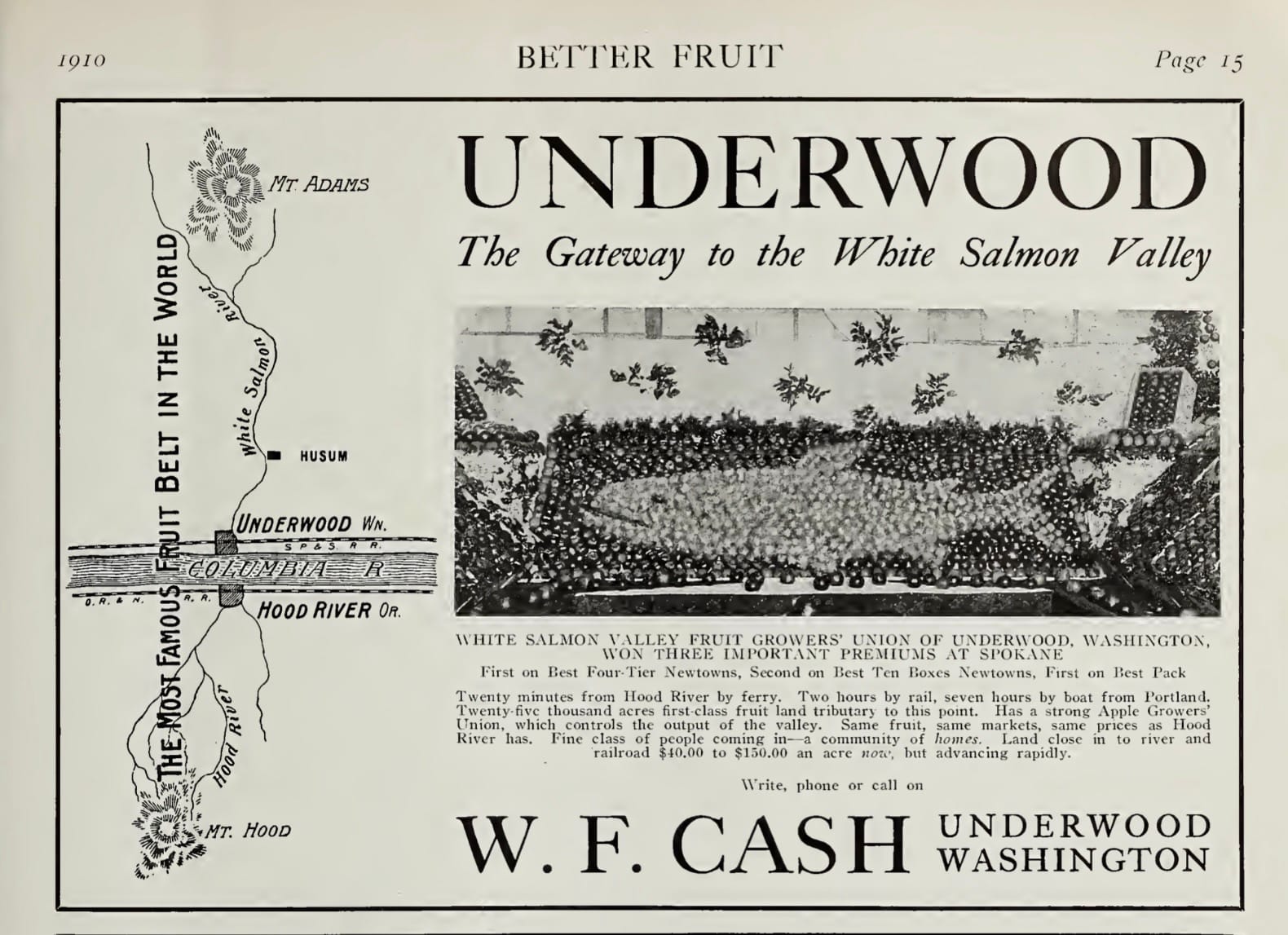
During this era, the region was booming with the promise of agriculture. In a 1910 issue of Better Fruit magazine, full-page ads proclaimed our stretch of the Columbia to be "The Most Famous Fruit Belt in the World." The White Salmon Valley Fruit Growers’ Union, based right out of Underwood, was a powerhouse, taking home premium awards at major agricultural shows in Spokane for their pristine Newtown apples.
Civic pride was through the roof. Organizations like the "Underwood-White-Salmon-Valley Improvement Club" built massive, elaborate displays of local produce to showcase the valley's bounty. Underwood was heavily promoted as a "community of homes" with highly coveted rapid transit: just 20 minutes by ferry to Hood River, two hours by rail to Portland, or seven hours by riverboat.
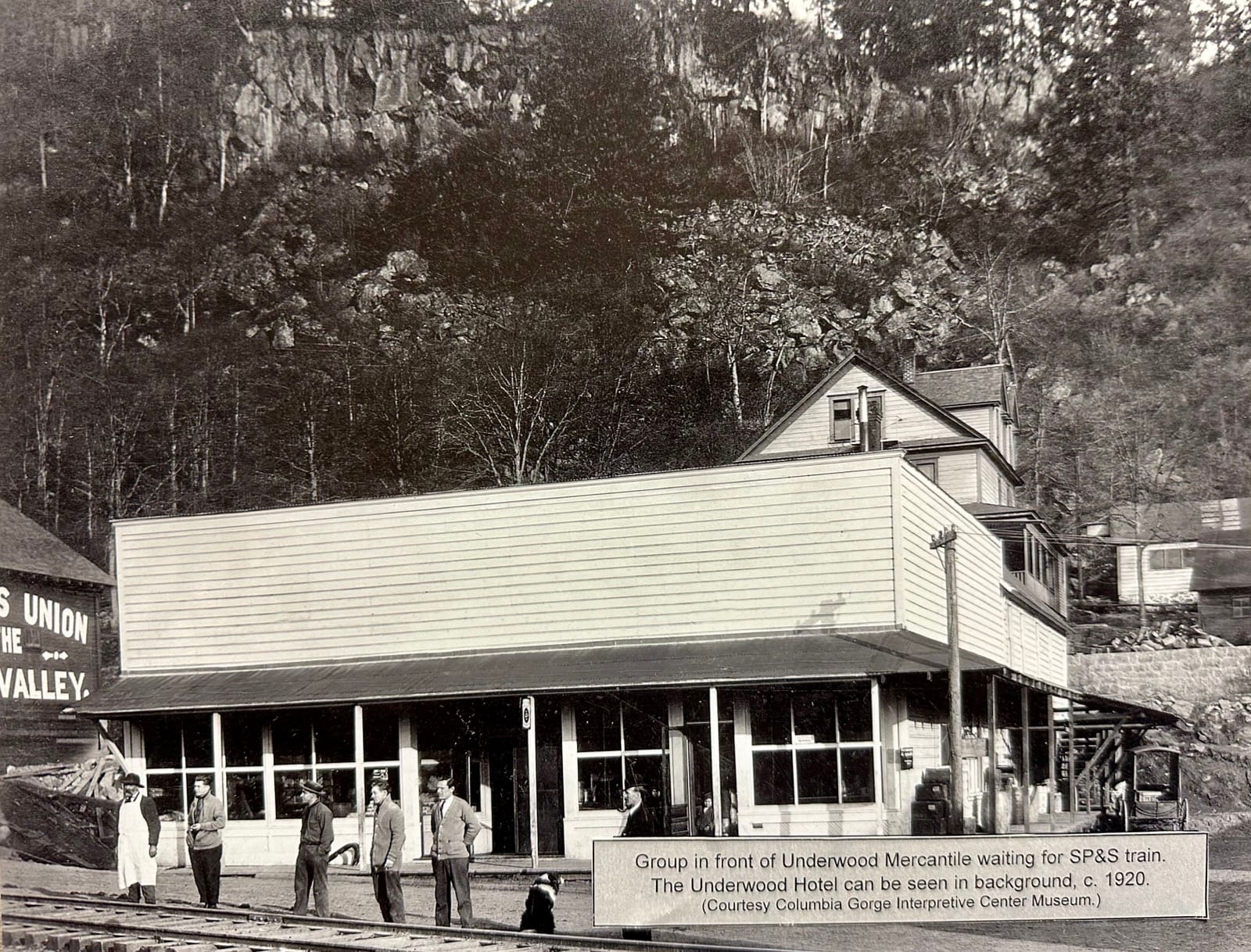
Because of this agricultural gold rush, first-class fruit land near the river and the SP&S railroad was selling for the then-astronomical price of $40 to $150 an acre, with real estate brokers like W.F. Cash promising values were "advancing rapidly." In the coming decades, Underwood's proximity to the new railroad and the newly-built Hood River-White Salmon Bridge was expected to bring continued growth and prosperity to this town.
The town was built entirely on the logistical engine of this agricultural boom, and the vibrant civic life of its residents. Which makes what happened next all the more devastating.
🔥 The Sunday Conflagration
On the morning of Sunday, May 5, 1946, a fire broke out near the chimney of the local general store. Fanned by strong, relentless west winds, a Gorge trademark that has fueled many of our worst historical fires, the blaze quickly became an uncontrollable "conflagration."
Fire departments from Bingen, White Salmon, and Hood River rushed to the scene, battling the flames for three hours. Despite their efforts, the lower town was decimated. Seven large buildings were consumed entirely, including the general store, the post office, two service stations, a beer tavern, and the historic Underwood Hotel.
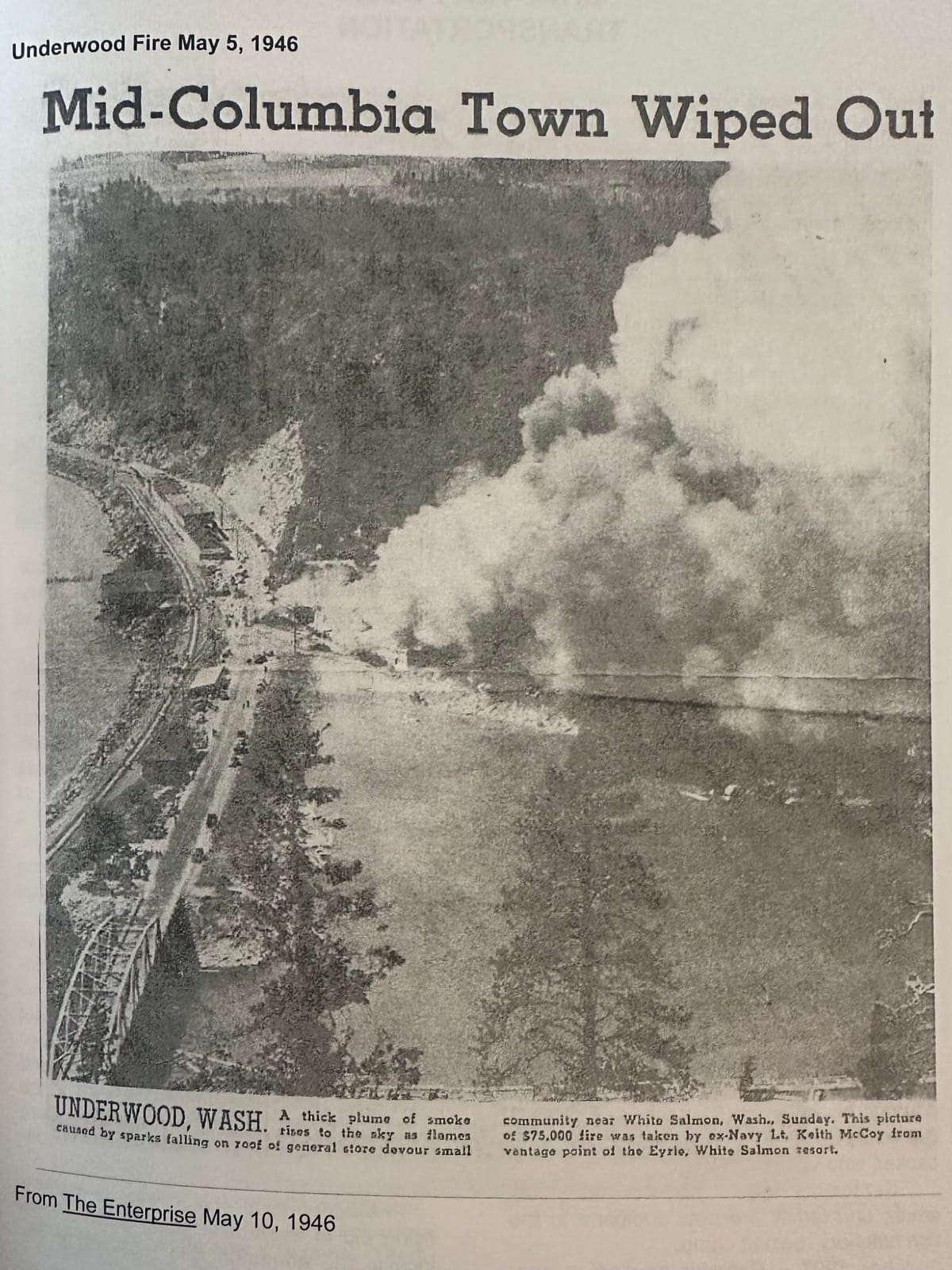
The only saving grace was that the fire didn't jump the highway. Structures on the river side, the railroad station, the livery, the fish hatchery, and the vital fruit warehouses, like the White Salmon Valley Apple Growers Union fruit packing warehouse (or as you may know it, "The Red House"), were spared.
Why Didn't Underwood Rebuild?
When a disaster of this scale strikes, the immediate question is always about rebuilding. Why is that intersection just a parking area today instead of the charming town center it used to be?
The failure to resurrect "Old Underwood" was a perfect storm of economic and geographic shifts:
- Total Loss of the Commercial Core: Rebuilding an entire town's commercial infrastructure simultaneously requires massive capital that simply wasn't available in the post-war years. The anchor businesses were gone in an afternoon.
- The Shift to the Heights: Even before the fire, the residential population had been steadily migrating up the hill to Underwood Heights, seeking better land for orchards and living, while lower Underwood consolidated as the commercial corridor. The fire accelerated a geographic transition that was already quietly underway.
- Industrial Consolidation: While the fruit warehouses by the river survived the 1946 blaze, the agricultural industry was modernizing. Over the following decades, packing and shipping operations became more centralized in nearby Bingen and White Salmon. Underwood was already becoming less an industrial center, and more catering to the social life of its residents. These transitional pieces became harder to pick up after this disaster.
- Relocation of Vital Services: Instead of rebuilding in the ashes, remaining services simply moved. The post office, named for Amos Underwood, father of the first postmaster, Grace Dark, eventually relocated alongside the school a mile north of the river.
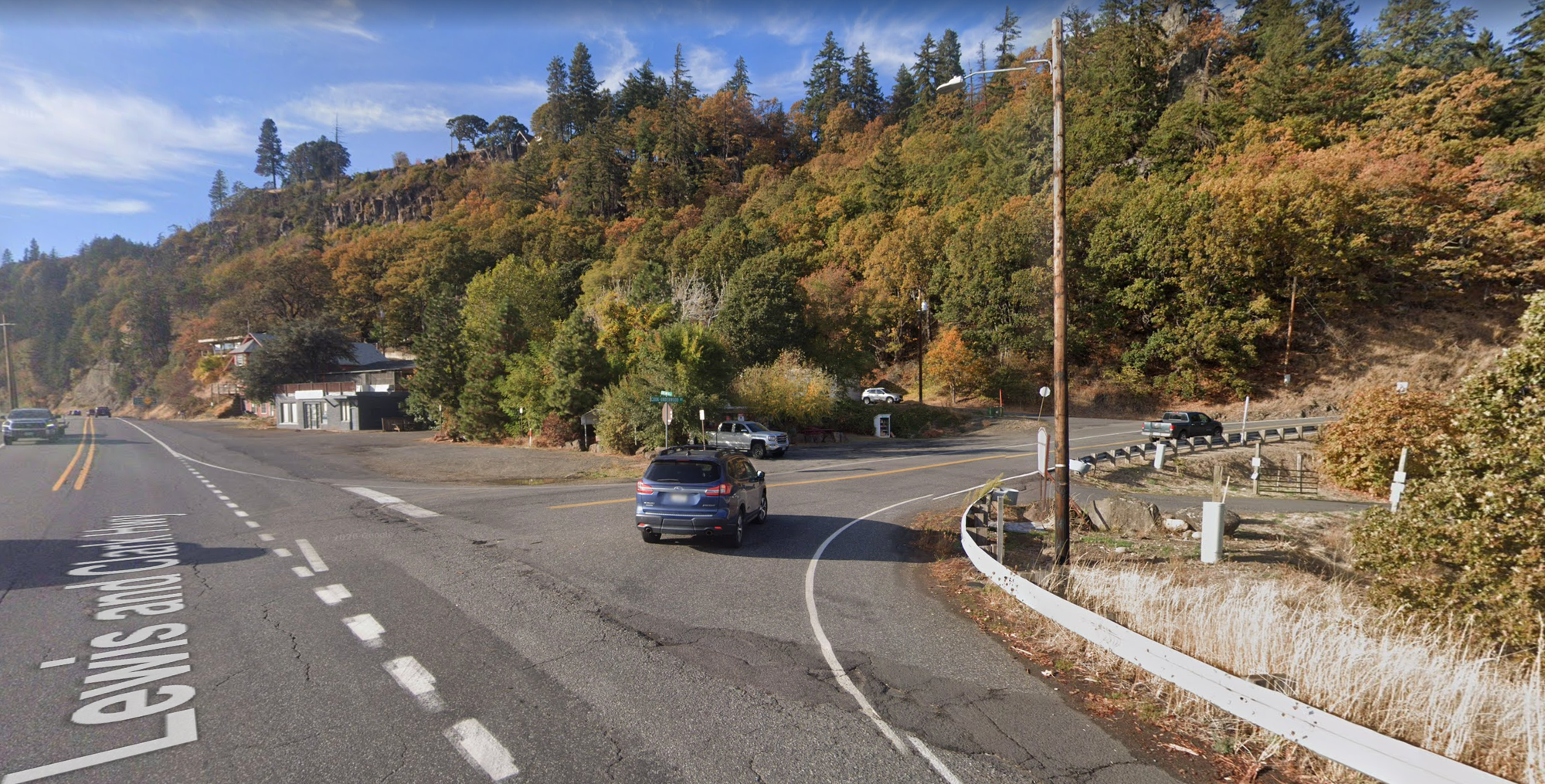
When you look at side-by-side photos of the Underwood block in the 1920s versus today, the contrast is stark. A wall of historic wooden facades has been replaced by highway infrastructure and empty parking lots. The May 5th fire undoubtedly changed the trajectory of the town, pushing Underwood up the hill.
But the story of the lower village isn't entirely relegated to the history books. Today, there are signs of fresh life taking root right in the footprint of Old Underwood. With the continued presence of neighborhood favorite Manny’s Lonchera, and the exciting addition of Willow Wine Cellars to the bottom floor of the former White Salmon Valley Apple Grower's Union packing warehouse just this past month, the area is experiencing a welcome revitalization. As we head into summer, it's our hope that these local spots and their plentiful outdoor seating spaces will help bring back some of the vibrancy, community, and enjoyment that once defined this historic waterfront village. We hope you'll join us there this summer.
📚 Sources, Acknowledgments & Further Reading
A special thank you to the local historians, authors, and researchers who have dedicated themselves to preserving the memory of our region. Gathering the threads of our early river towns is no small feat, and the historical details in today's special edition were made possible by drawing from the following invaluable resources:
- Underwood Through the Years by Mary Kapp and Kathy LaMotte.
- The Upbuilding of the White Salmon Area: Historical Misinformation Exposed by Ralph Brown.
Digging Deeper: Local History Repositories
If today’s feature sparked your curiosity, much of the Gorge’s early history is hidden in plain sight if you know where to look. We highly recommend exploring these archives:
- The Columbia Gorge Interpretive Center Museum: Located in Stevenson, they house an incredible physical archive of Gorge history.
- The Underwood Park and Recreation District (UPRD) Archives: You can find a fantastic, digitized treasure trove of early 1900s news clippings, articles, and historical documents specific to the town on their community website.
- Gorge Heritage Museum: Located in Bingen, this volunteer-run museum is a vital repository for the history of West Klickitat and East Skamania counties, featuring extensive photographic archives of the region's early agricultural and logging booms.
- HistoryLink.org: The free, online encyclopedia of Washington state history. It is a highly searchable, well-cited database perfect for reading up on the pioneer, Indigenous, and industrial history of the Columbia River Gorge.
- Columbia River Inter-Tribal Fish Commission (CRITFC): An essential resource for understanding the ongoing treaty fishing rights and the history of the "In-Lieu" and Treaty Fishing Access Sites, including the site right at the mouth of the White Salmon River (Cooks Landing).
- The Confluence Project: A Pacific Northwest non-profit that connects people to the history, living cultures, and ecology of the Columbia River system through Indigenous voices. Their digital library contains excellent maps and oral histories specific to the Gorge.
- South Hill Winery: another Underwood-local winery neighbor has put together this fantastic repository of news articles throughout the years.
Putting together this special edition of the newsletter was an enjoyable challenge that surfaced sometimes contradictory primary sources. But thankfully, historical research is a community effort. Have more context or spot a necessary correction? Reach out at SkamaniaDispatch at gmail dot com. Thank you for your part in carrying on the living history of our home.